










Buying Your Child's First Piano: The Complete Beginner's Guide

A practical guide for parents choosing a beginner digital piano
Starting piano lessons is an exciting milestone for any child. Whether they're learning at school, taking private lessons or discovering music for the first time, having the right instrument at home can make a real difference to their learning experience.
But if you're a parent buying your child's first piano, knowing where to start can be confusing. Should you buy a keyboard or a digital piano? How many keys do they need? Are weighted keys important? And how much should you spend on an instrument your child is only beginning to learn?
The good news is that you don't need to buy a traditional acoustic piano or spend a fortune to help your child get started. Modern digital pianos offer an excellent playing experience, practical features for home practice and options to suit a range of budgets.
At Savins Music Centre, we stock digital pianos from two trusted brands, Yamaha Digital Pianos and Roland Digital Pianos.
In this guide, we'll explain everything you need to know to choose the best beginner piano for your child.
1. Should you buy a keyboard or a digital piano?
One of the first decisions when buying a piano for a beginner is whether to choose a portable keyboard or a digital piano. Although they may look similar, there are some important differences.
Electronic keyboards
Electronic keyboards are generally lightweight, portable instruments that often include a variety of sounds, rhythms and accompaniment features. Many entry-level models have 61 unweighted keys.
A keyboard can be a reasonable starting point for a young child who is exploring music for the first time, particularly when budget or space is limited.
However, if your child has started formal piano lessons, a basic keyboard may not provide the same playing experience as a traditional piano.
Digital pianos
A digital piano is designed to reproduce the sound and playing feel of an acoustic piano. Most full-size digital pianos have 88 keys and weighted keyboard action.
They are particularly suitable for children learning traditional piano because they allow young musicians to develop their technique on an instrument that more closely resembles the piano they may encounter in lessons, examinations and performances.
Digital pianos also offer practical benefits, including volume control, headphone connections and no requirement for regular tuning.
Our recommendation:
If your child has started piano lessons and you want an instrument that will support their progress over several years, a digital piano with 88 weighted keys is an excellent choice.2. Why are 88 weighted keys important?
When choosing the best digital piano for a beginner, the keyboard itself is one of the most important features to consider.
Full-size 88-key keyboard
A traditional piano has 88 keys, ranging from the lowest bass notes to the highest treble notes.
An 88-key digital piano gives your child access to the full piano range, allowing them to develop their skills without quickly outgrowing the instrument's keyboard.
Although a smaller keyboard may be sufficient for very early musical exploration, a full-size instrument is a sensible long-term investment for a child taking regular piano lessons.
Weighted keys
On an acoustic piano, pressing a key activates a mechanical action involving hammers that strike strings. Weighted digital piano keys are designed to recreate aspects of this resistance.
This gives the player a more realistic response under their fingers and helps them develop control over their playing.
Touch sensitivity
Touch sensitivity allows the piano to respond to how firmly a key is pressed. Playing gently produces a softer note, while pressing with greater force produces a louder sound.
This is an important part of musical expression. As your child progresses, they'll learn to play melodies softly, bring out important notes and control the dynamics of a piece.
When comparing beginner digital pianos, look for a model with a properly weighted, touch-sensitive keyboard rather than simply counting the number of keys.
3. Yamaha or Roland: Which digital piano is best for your child?
Yamaha and Roland are two well-established piano brands, both offering digital pianos suitable for beginners and developing musicians.
There isn't one brand that is automatically best for every child. The right choice depends on your budget, preferred playing feel, sound preferences and the type of instrument you want in your home.

Yamaha digital pianos
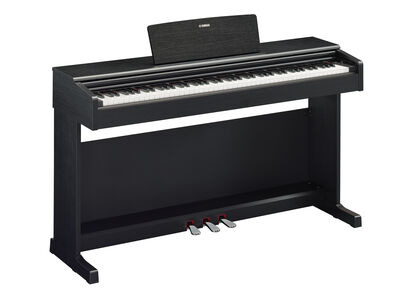
Yamaha is a popular choice for families buying their child's first piano. The brand offers portable digital pianos as well as more traditional furniture-style instruments.
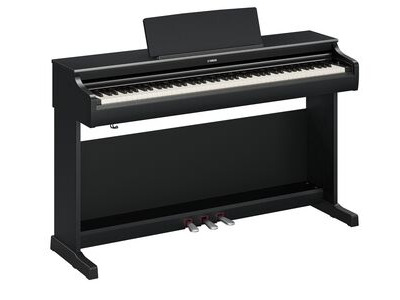
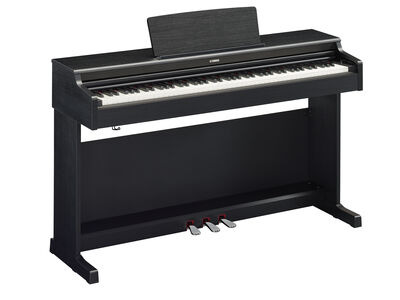
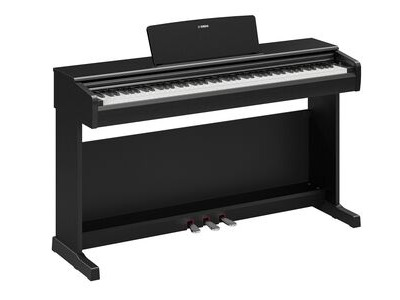
The Yamaha Arius range is worth exploring if you're looking for a compact digital piano for home practice. Models such as the Yamaha Arius YDP146 and YDP166 offer 88 weighted keys in a relatively compact design.
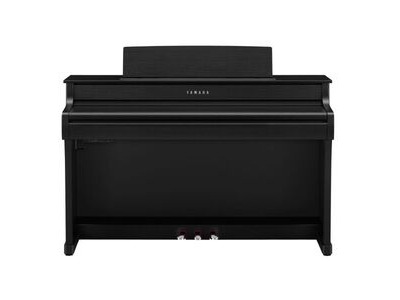
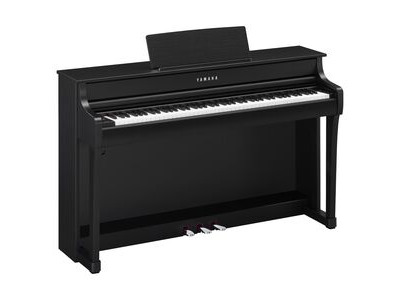
For families who prefer a piano that looks more like a traditional upright instrument, the Yamaha Clavinova range is another option to consider such as the CLP835 or CLP845.
Depending on the model, Yamaha digital pianos offer features such as:
- Weighted, touch-sensitive keys.
- Realistic acoustic piano sounds.
- Built-in speakers for convenient home practice.
- Headphone connections for quieter playing.
- Pedal options for developing piano technique.
Yamaha digital pianos are worth considering if you want a straightforward instrument that focuses on piano playing while offering features to support your child's musical development.

Roland digital pianos
Roland is another excellent option for children starting piano lessons. Its digital piano range includes portable instruments and more substantial home models.
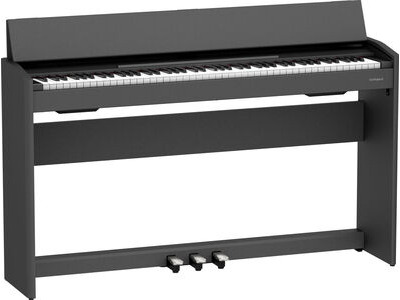
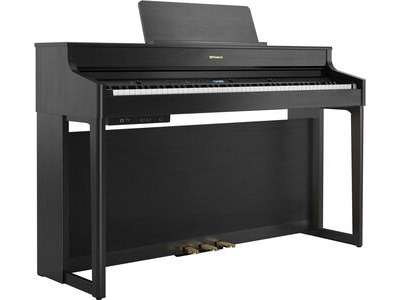
The Roland F Series such as F107 is particularly worth exploring if you're tight on space and need a compact digital piano with a full-size keyboard. If space isn't an issue and you want something more traditional looking than perhaps the HP702 would be more suitable.
Depending on the model, features can include weighted hammer-action keys, built-in speakers, headphone connections and additional digital functions.
Roland digital pianos are designed to provide an expressive playing experience, with attention to keyboard feel and piano sound.
Features vary between models, so it's worth comparing the specifications of the instruments available within your budget.
Which brand should you choose?
Both Yamaha and Roland make suitable digital pianos for beginners. Rather than choosing based on the brand name alone, compare the keyboard action, piano sound, speaker quality, included accessories and overall price.
If possible, try both brands in person. Hearing the instruments and feeling the keys can help you decide which piano is the right fit for your family.
Explore our collections
4. How much should you spend on your child's first piano?
The best piano for a child beginner is not necessarily the most expensive one.
Your budget should reflect your child's current needs, how regularly they are taking lessons and whether you want an instrument that will support them as they progress.
Entry-level digital pianos
Entry-level digital pianos are a good option for families who want the essential features needed for piano lessons without spending more than necessary.
Look for 88 weighted keys, touch sensitivity, a suitable piano sound and a way to connect headphones.
These features provide a solid foundation for learning.
Mid-range digital pianos
A mid-range digital piano may offer an improved keyboard action, richer sound, better speakers or a more substantial cabinet.
These instruments can be a good choice if your child is enthusiastic about learning and you want to invest in a piano they can enjoy for years.
Furniture-style digital pianos
Furniture-style digital pianos have a more traditional appearance, often with an integrated stand and a built-in pedal unit.
They can be an attractive option for families who want a permanent piano in their living room or another dedicated practice space.
They may cost more than a portable model, but the integrated design can make them a practical and appealing long-term choice.
Our advice:
Start with the features your child needs rather than paying extra for functions they may rarely use. A good-quality beginner digital piano can support many years of musical development.5. Don't forget the piano stool and headphones
When comparing digital piano prices, check what is included. The advertised price may cover the instrument alone, meaning you'll need to budget for additional equipment.
Piano stool or bench
Your child needs to sit at a comfortable height to play with good posture. A suitable piano bench helps them sit upright, relax their shoulders and position their hands comfortably above the keys.
An adjustable bench can be especially useful as your child grows.
Explore Piano BenchesHeadphones
One of the most useful accessories for a family buying a digital piano are headphones.
They allow your child to practise without filling the house with piano music, which is particularly helpful when siblings are studying, relaxing or going to bed.
Check which headphone connection your piano uses and choose a comfortable pair suitable for your child.
Explore HeadphonesBefore you buy:
Compare the cost of the complete setup, including the piano, stand, stool, pedal and headphones, rather than looking at the instrument price alone.6. Where should you put a digital piano at home?
A dedicated practice area can help your child build a regular routine and keep their music organised.
Digital pianos are often easier to accommodate than acoustic pianos because they don't require tuning and many portable models have a compact design.
Before buying, measure the space where you plan to put the piano. Consider its width and depth, the space needed for the stool, access to a power socket and room for your child to sit comfortably.
A living room, bedroom or playroom can all work well, provided the piano is positioned safely and the playing area is comfortable.
If space is limited, a portable model such as one from the Yamaha P Series or Roland FP Series may be worth considering. If you'd prefer an instrument that remains in one place, a furniture-style model may be a better fit.
7. Frequently asked questions about buying a child's first piano
- What is the best piano for a child beginner?
- Can a child learn piano on a keyboard?
- Does my child need a full-size 88-key piano?
- Is Yamaha or Roland better for beginners?
- Does a digital piano need tuning?
- Should I buy a piano before my child starts lessons?
Find the right beginner piano at Savins Music Centre
Buying your child's first piano is an investment in their musical journey. The right instrument can make practice more enjoyable, help them develop good technique and support their progress as they move beyond their first lessons.
For most children learning traditional piano, we'd recommend starting with a digital piano that has 88 weighted keys, touch sensitivity, a suitable pedal and a comfortable playing position.
Whether you're considering a compact Yamaha digital piano or a Roland model for home practice, choosing an instrument that suits your child and your budget is the most important step.
At Savins Music Centre, we're here to help you find the right piano for your young musician.
Ready to get started?
Explore our range of Yamaha Digital Pianos and Roland Digital Pianos to find the right instrument for your child's first steps in music.
Explore Yamaha Digital Pianos Explore Roland Digital Pianos